Listening first: our first community session with youth and parents
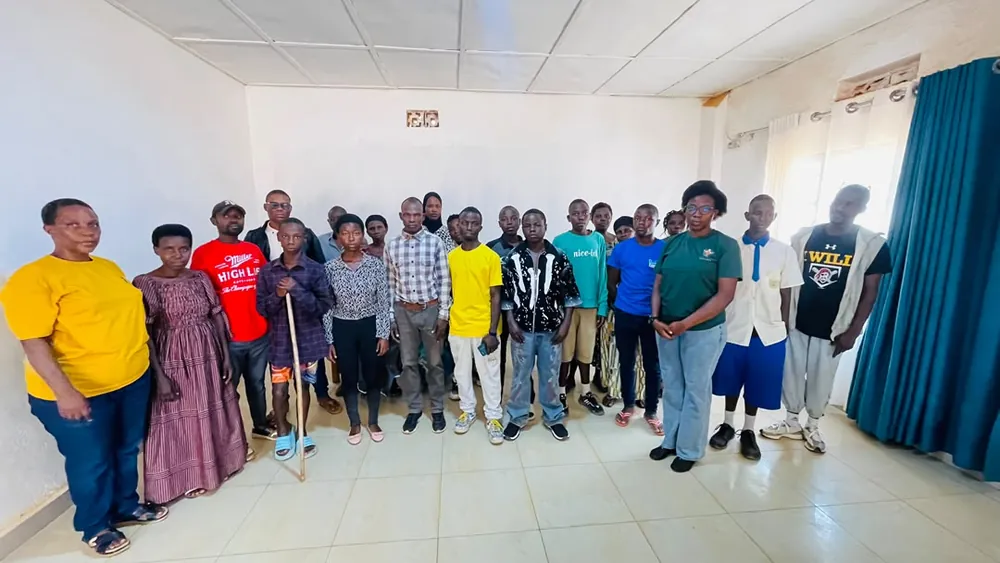
Before building anything, we wanted to understand. We brought young people affected by drug use together with the parents who love them — in one room, for one honest conversation.
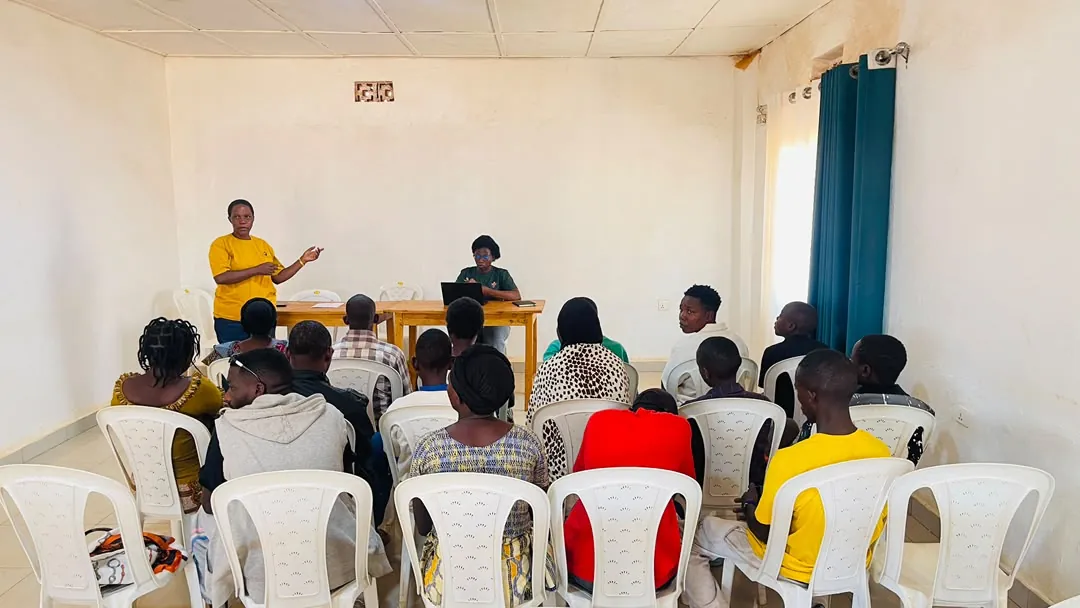
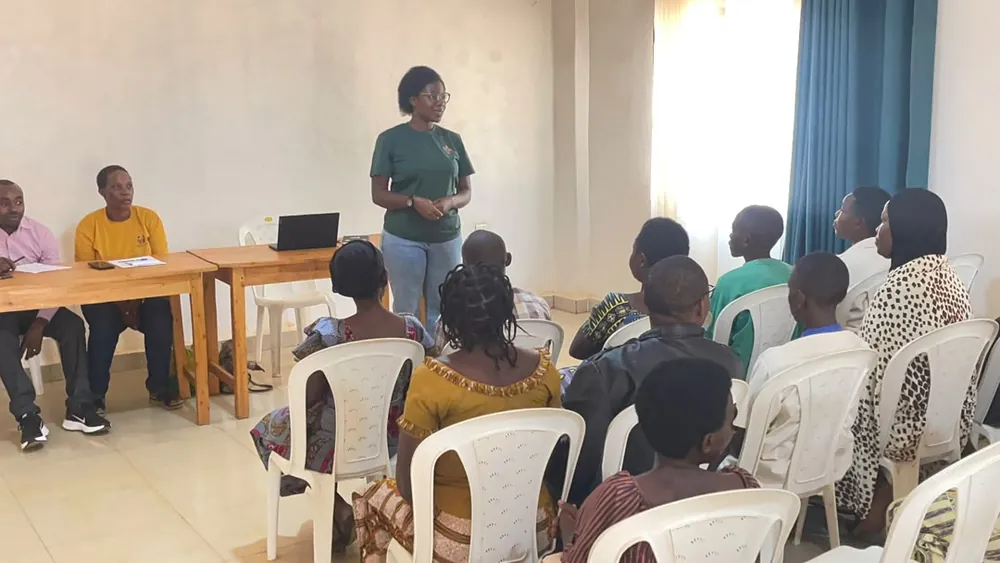
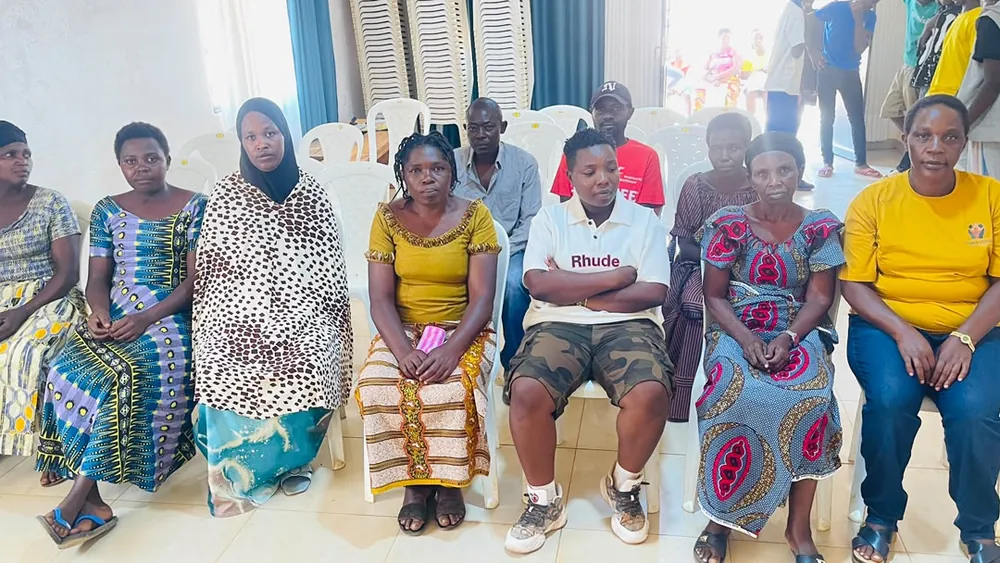
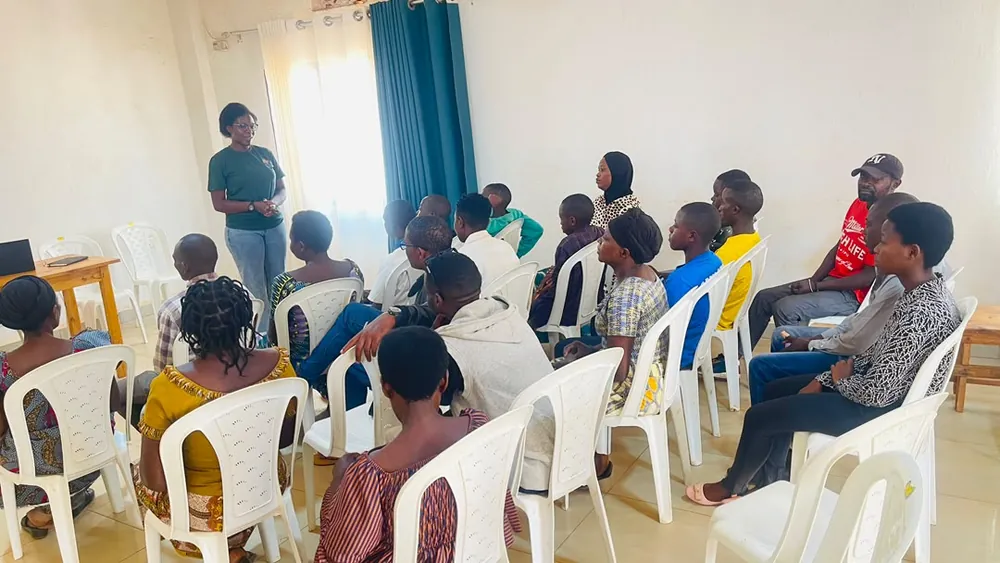
Our first community session — youth, parents and caregivers in one room.
What we did
We invited young people who are exposed to drugs, together with their parents and caregivers, to a single community session. For many families in the room, it was the first time they had sat down with anyone to talk about what was happening at home without fear of judgement.
Our team opened by explaining what Ongera Ubeho is: a community-based mentorship hub, run in Kinyarwanda, by people from the same neighbourhoods. We walked through how the mentorship will work, who the mentors are, and what support a family can expect — then we opened the floor to questions.
We asked, instead of assuming
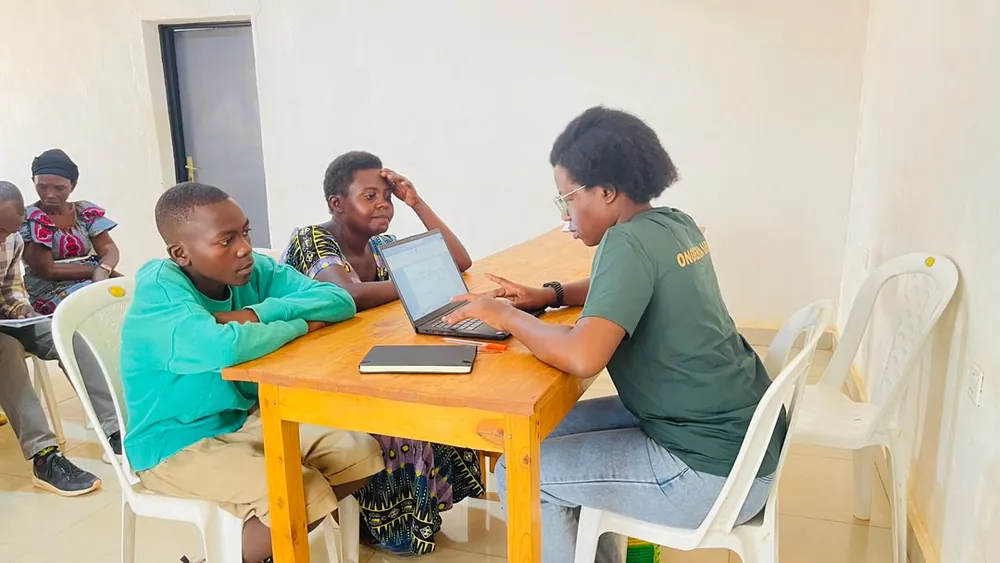
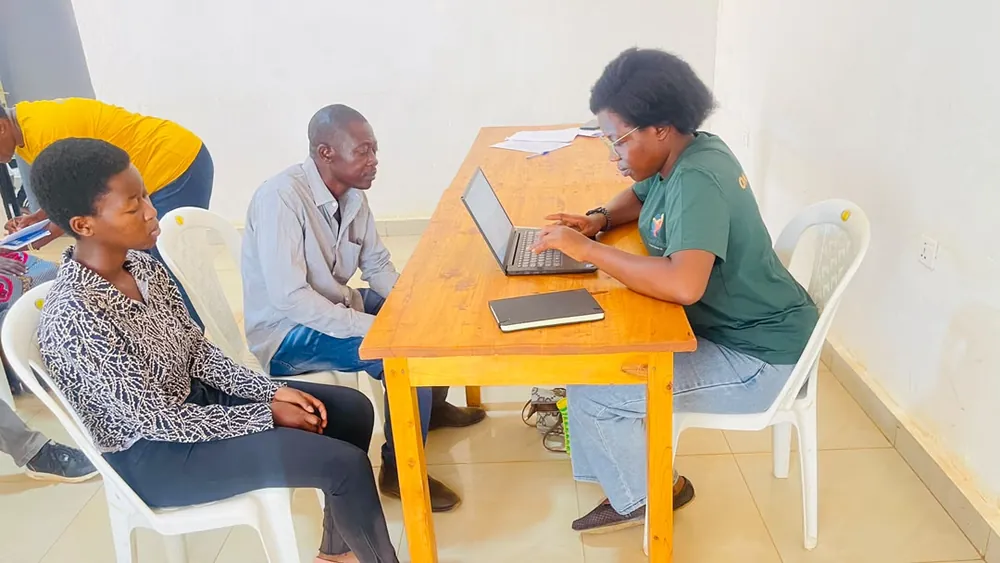
The heart of the day was not our presentation — it was what came after it. One conversation at a time, our team sat down with young people and with parents and recorded what they are actually facing: what led them there, what they have already tried, who they turn to, and what kind of help would make a difference.
That interview work is the reason we can say what we say. It is a baseline — the honest starting point that everything we do next will be measured against.
What this changes
Three things became clearer in that room. Parents recognise the warning signs far earlier than anyone assumes — what they lack is somewhere to go. Young people were willing to talk openly when the conversation happened in their own language, with people from their own community. And the gap is not awareness; it is access.
That is exactly the gap Ongera Ubeho was designed to close, and this session is the first evidence that the model fits the reality.
What happens next
The information gathered here feeds directly into our monitoring framework — the baseline against which we will measure mentorship completion, family communication, and reduction in risky behaviour. Next comes mentor recruitment and training, then matching the first families with the mentors who will walk with them.
We will publish what we find here, honestly, as we go — including what does not work.